Okavango Delta
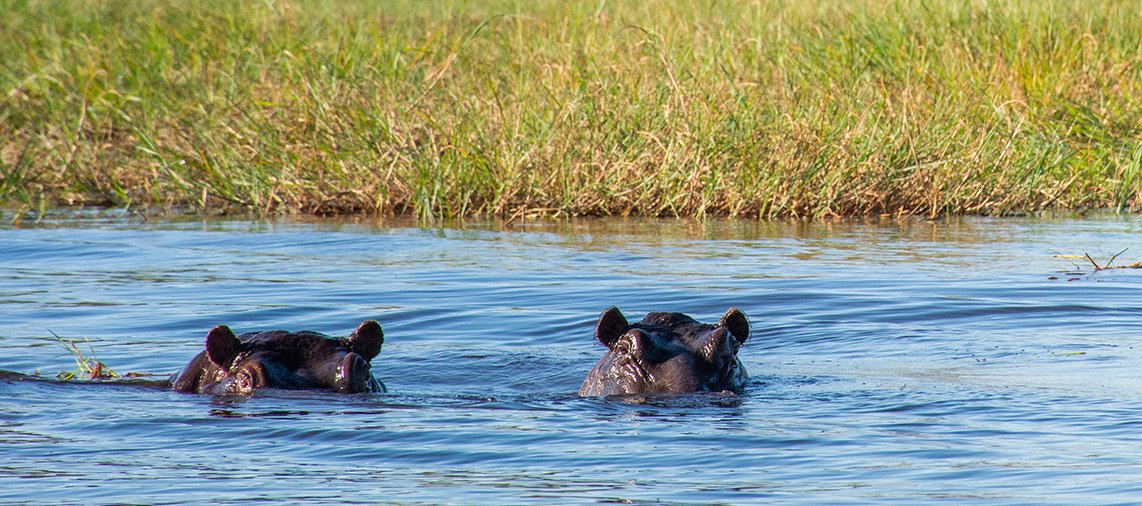
The Okavango Delta (or Okavango Swamp) is the world's largest inland delta – a lush, fan-shaped wetland where the Okavango River fans out into the arid Kalahari Desert, creating a mosaic of lagoons, channels, islands, and floodplains spanning up to 15,000–18,000 km² during floods.
A UNESCO World Heritage Site since 2014, it's fed by Angolan rains (delayed 4–6 months) and supports over 5,000 animal species, 1,000 plants, and 400+ birds in a unique green lung ecosystem.
It's Africa's Venice – but wild, with elephants instead of gondolas and lions on the 'bridges'.
Moremi Game Reserve
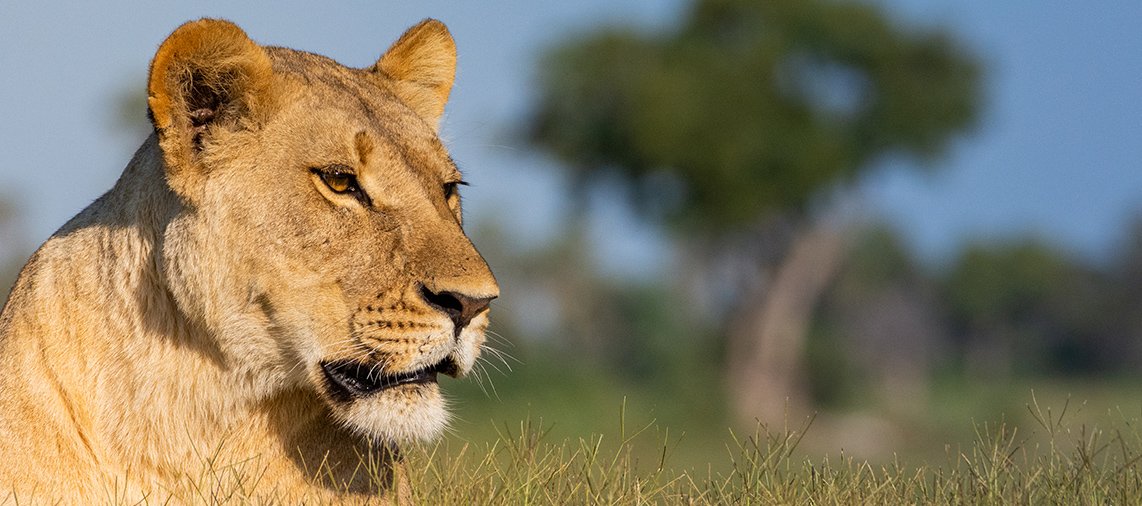
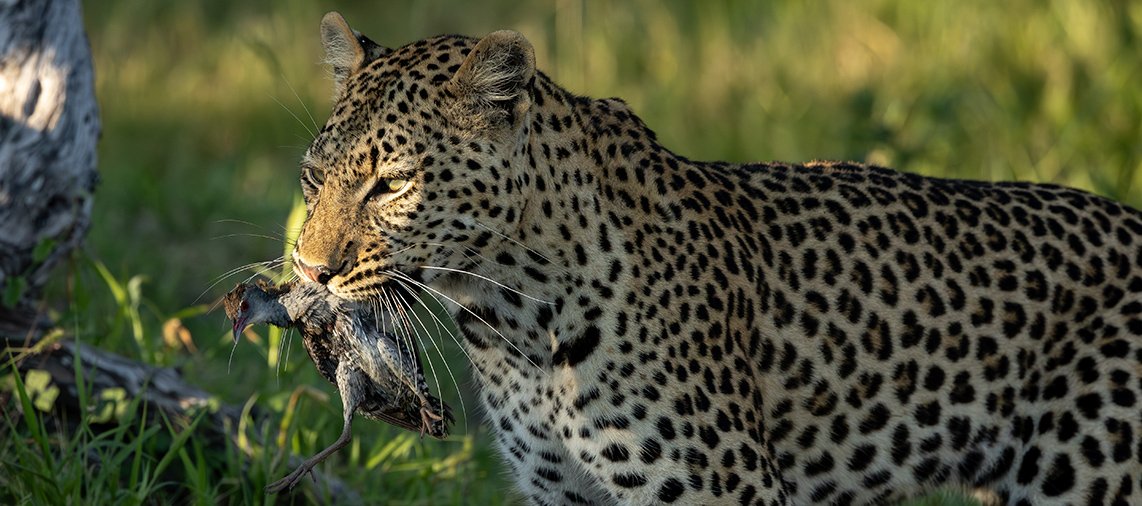
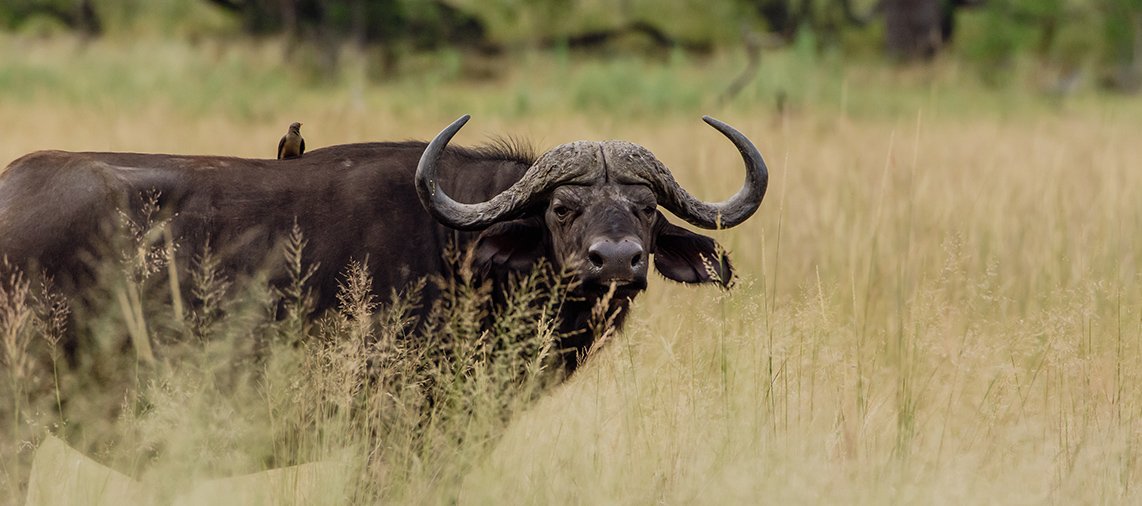
Moremi Game Reserve is Botswana's crown safari gem – the oldest protected area in the Okavango Delta (proclaimed in 1963 by the Batawana people, Africa's first community-led reserve). Spanning ~5,000 km² (1,900 sq mi) on the Delta's eastern edge, it blends permanent swamps, floodplains, mopane woodlands, and dry savannas for unmatched biodiversity.Named after Chief Moremi, it's a UNESCO tentative site and Africa's "predator capital" – home to the Big 5 (lion, leopard, elephant, buffalo, rhino) plus 400+ bird species.
Moremi isn't just a reserve – it's where the Delta's heart beats: lions on the prowl, elephants in the lagoons, and silence that sings.
Savuti
Savuti (or Savute) is a dramatic, remote region in Botswana's Chobe National Park, covering ~10,878 km² of ancient lakebed turned vast grassland savannah and rolling floodplains. Fed intermittently by the enigmatic Savuti Channel – a seasonal river that mysteriously flows, dries, and revives every 20–30 years due to tectonic shifts – it's a hotspot for explosive predator-prey action.Famous for its elephant-hunting lion prides (one of Africa's most notorious, with 30+ members) and massive herds, Savuti offers raw, unfenced wilderness far from crowds.
Savuti's like a battlefield of the wild – lions vs. elephants, zebras thundering across the plains, all under those skeletal acacia ghosts from ancient floods.
Khwai Concession
The Khwai Concession is a vast, community-owned wildlife haven in northern Botswana, spanning ~200,000 hectares (780 sq mi) along the Khwai River – the northern "finger" of the Okavango Delta.
Bordering Moremi Game Reserve to the south and linking to Chobe National Park to the north, it's a seamless, unfenced corridor for migrating herds – elephants, buffalo, and predators roam freely.
Once a hunting area, it's now a model of eco-tourism: 100% community-run by Khwai villagers, with lodge revenues funding conservation, education, and anti-poaching (e.g., rhino protection).
Khwai is where Moremi's wild heart meets the Delta's edge – lions cross the river at dawn, and the community thrives alongside the animals.
Chobe National Park
Chobe National Park is Botswana's flagship wilderness, established in 1967 as the country's first national park and spanning 11,700 km² of diverse ecosystems from riverine floodplains to arid savannas. Bordered by the Chobe River (Botswana-Namibia frontier), it's renowned for Africa's largest elephant population (~120,000 individuals) and year-round game viewing, blending the Okavango Delta's waters with Kalahari-like interiors. A UNESCO tentative site, Chobe supports over 450 bird species and the Big 5, with community-led conservation ensuring low-impact tourism.
Chobe's river is life – elephants bathing at dawn, lions on the banks, and sunsets that paint the sky in fire.
Central Kalahari Game Reserve
The Central Kalahari Game Reserve (CKGR) is the world's second-largest game reserve, sprawling across 52,800 km² (larger than the Netherlands) in the heart of Botswana's semi-arid Kalahari Desert. Established in 1961, it's a UNESCO tentative World Heritage site famed for its vast fossil pans, ancient river valleys, rolling sand dunes, and golden grasslands – a stark, timeless wilderness where desert-adapted wildlife thrives amid extreme isolation. Home to the San (Bushmen) for millennia, CKGR symbolizes resilience, with ongoing community conservation efforts despite historical relocation debates.
CKGR is raw Africa – endless horizons where a meerkat's call echoes louder than the wind, and black-maned lions stalk under starlit skies.
Makgadikgadi Pans National Park
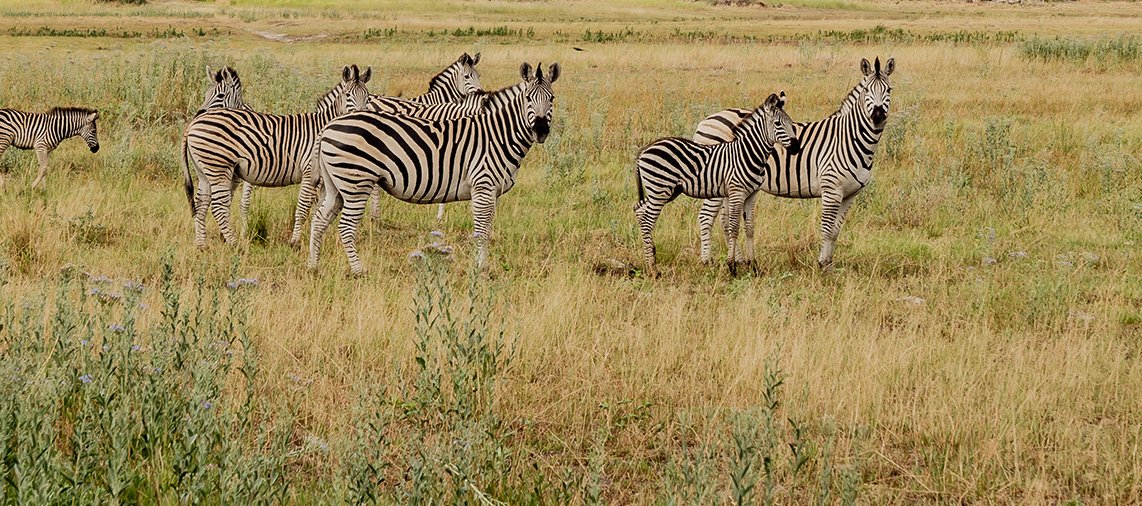
Makgadikgadi Pans National Park is a surreal, otherworldly expanse of ancient salt flats covering 4,900 km² in northeastern Botswana – remnants of a super-lake that once spanned 80,000 km² and dried up 10,000 years ago. Part of the larger Makgadikgadi ecosystem (including Nxai Pan NP), it transforms dramatically: bone-dry white pans in winter, lush green grasslands in summer, and shimmering mirror lakes during floods.Famous for the second-largest zebra migration in Africa (~25,000 animals), meerkat colonies, and Kubu Island – a sacred baobab-dotted granite outcrop – it's a UNESCO tentative site blending desert, savanna, and archaeology.
Makgadikgadi is where Earth feels ancient – endless white horizons, zebras thundering, and baobabs whispering 4,000-year-old secrets.
Nxai Pan National Park
Nxai Pan National Park is a 3,000 km² gem in Botswana’s Makgadikgadi ecosystem, centered around a fossil pan (ancient lakebed) surrounded by **golden grasslands, salt flats, and iconic baobab groves**. Established in 1992, it’s the northern sister of Makgadikgadi Pans NP and part of the largest zebra migration route in southern Africa (~25,000 animals).Famous for Baines’ Baobabs – seven ancient trees immortalized by explorer Thomas Baines in 1862 – and habituated meerkat colonies, it’s a surreal blend of desert, savanna, and seasonal wetlands.
Nxai Pan is where time stands still – meerkats on sentry duty, zebras in silhouette, and baobabs older than empires.